



Pony School (Ages 2.5-7)

Pony School (Ages 2.5-7)

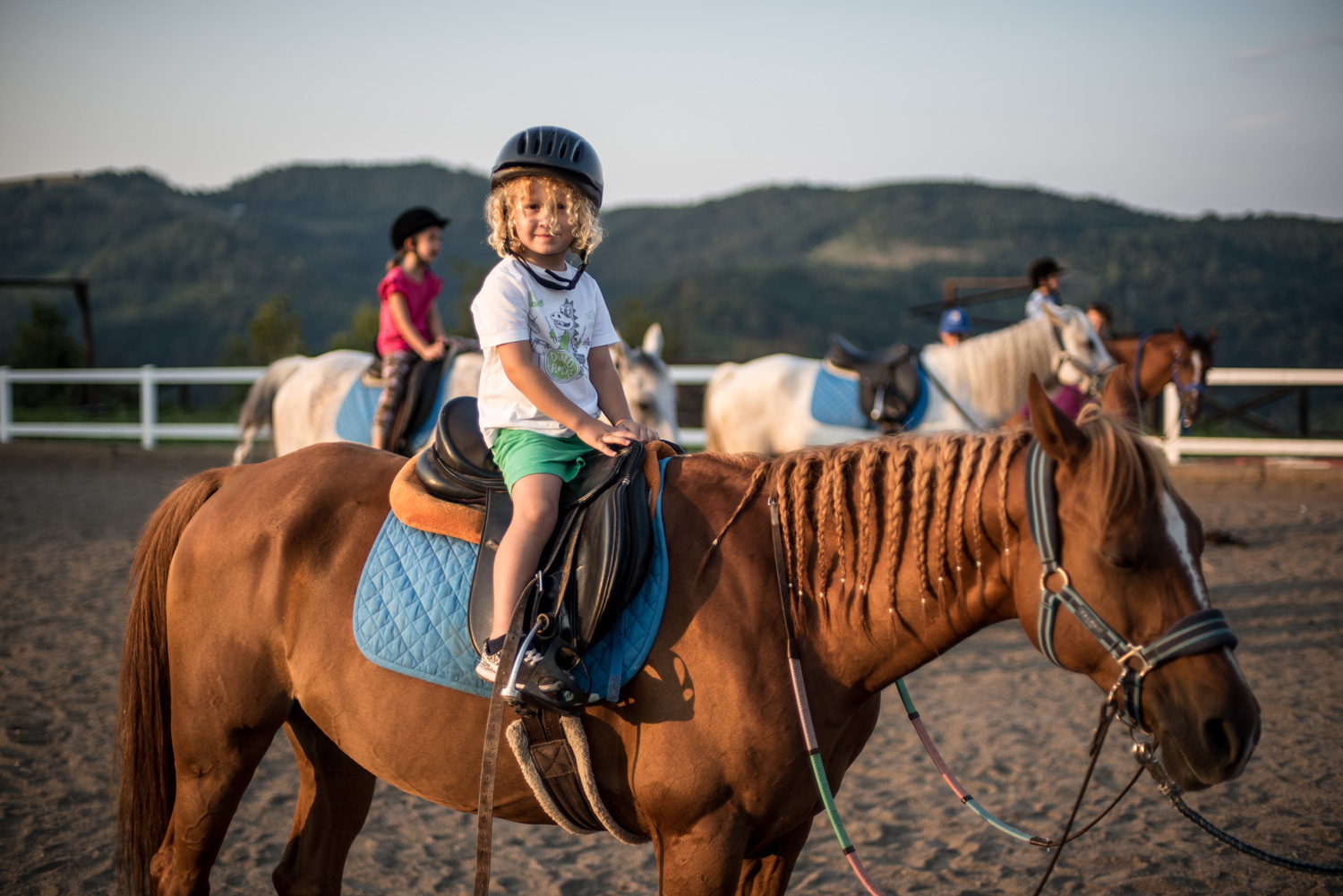
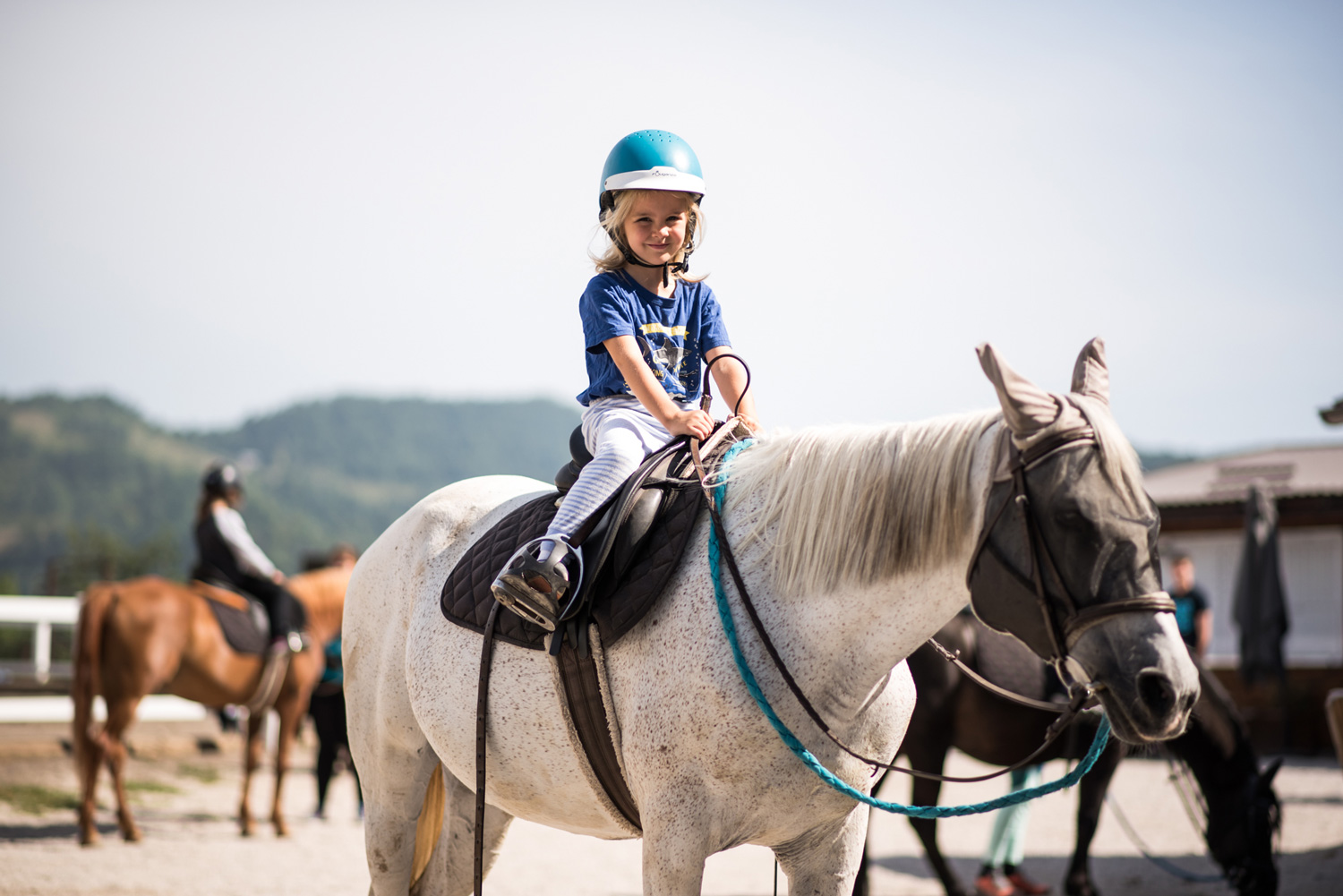
The Pony School program is designed for children aged 2.5 to 7 and represents their first contact with horses through play, movement, and time spent in nature. Children work with calm, carefully selected horses that are well-trained and accustomed to working with young riders.

At this age, the focus is not on learning riding as a technical skill, but on developing a sense of safety, confidence, and a natural connection with the horse. Through a carefully guided and age-appropriate program, children:

  • get to know horses and learn how to approach them
  • develop a sense of responsibility through caring for the horse
  • learn basic safety rules around animals
  • improve balance, coordination, and confidence through play

What does a lesson look like?

Each lesson lasts 25 minutes and follows a clear structure adapted to young children. It is designed so that children learn through play, in a safe and supportive environment, without pressure or expectations of quick progress. With each lesson, children gradually build confidence, develop body awareness, and form a natural connection with the horse.

Each lesson consists of three parts:

Warm-up
Through simple exercises on the horse, children develop balance and body awareness. Activities such as “airplane arms,” stretching, and touching different parts of the horse help them relax and gain control of their movements.

Main part of the lesson
Through games and guided tasks, children learn the basics of riding:

  • starting, stopping, and turning
  • maintaining balance in walk and, for more advanced children, trot
  • navigating simple obstacle courses and cones
  • performing basic riding tasks through play

Lessons often include games such as “garage,” slalom, and target practice (soft archery). These activities help develop coordination and introduce the first elements of independent control.

Cool-down
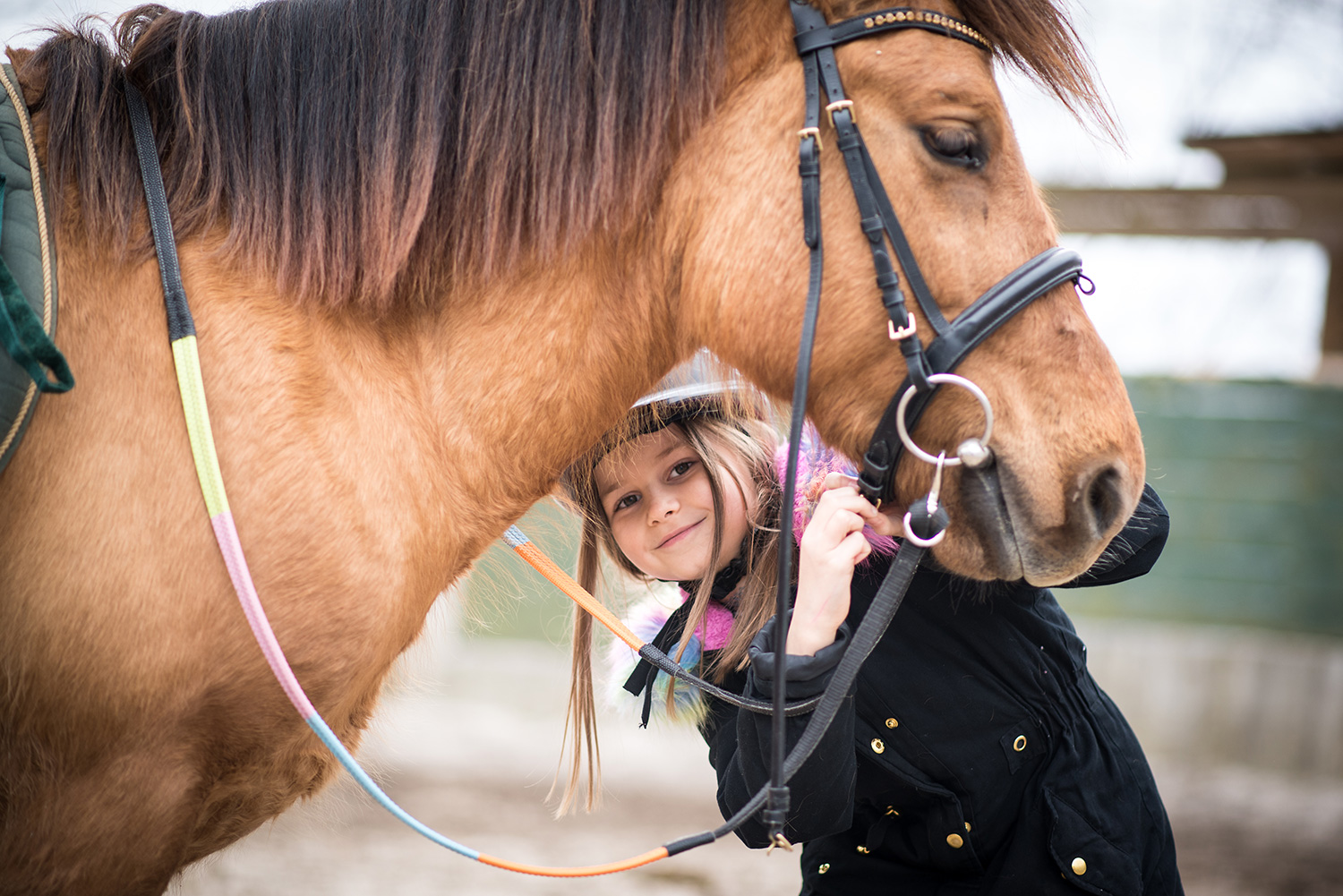
At the end of the lesson, children slow down and relax through simple exercises such as stretching or hugging the horse, finishing the session in a calm and positive way.

Safety and approach

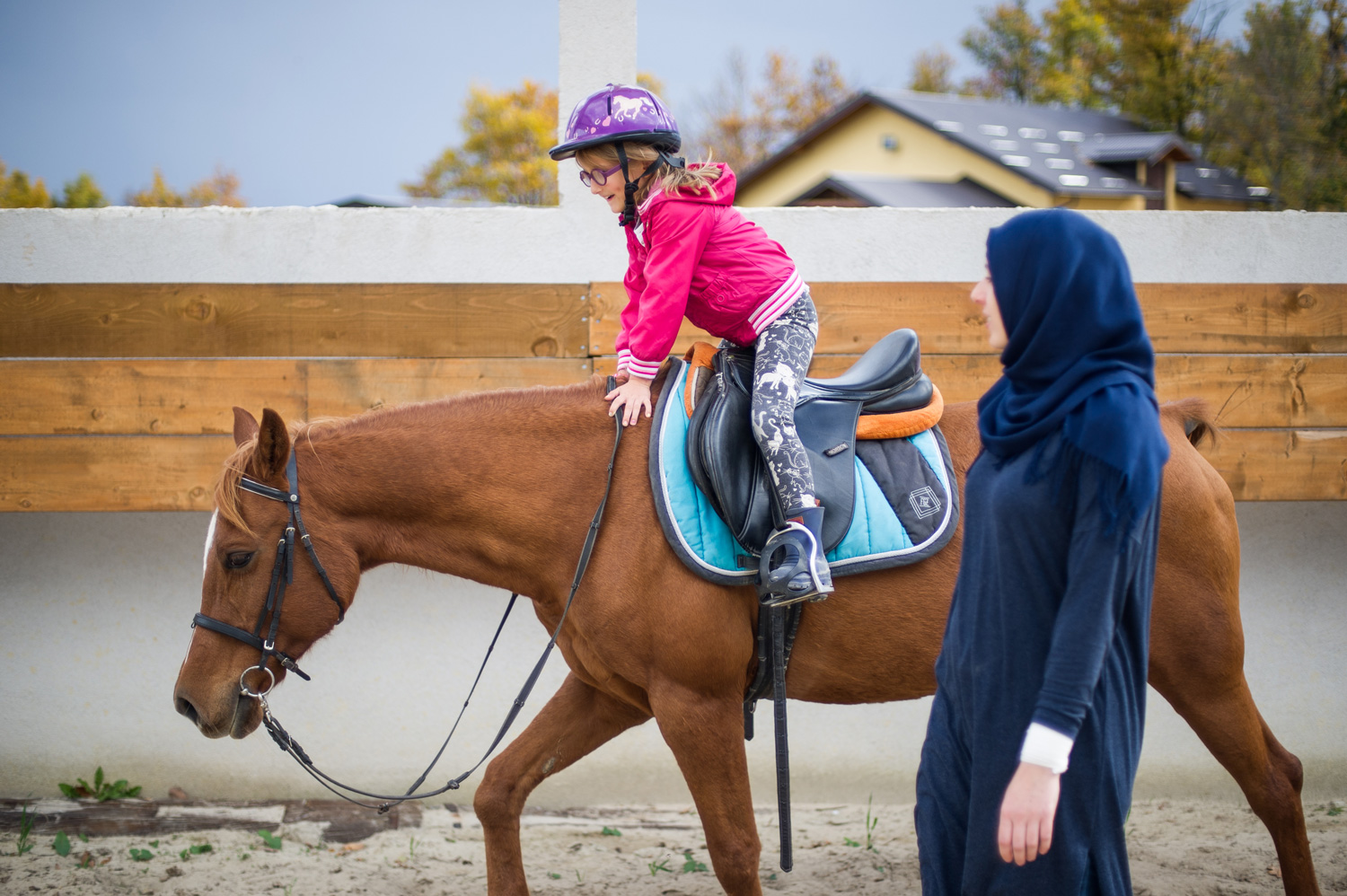
Children’s safety is our absolute priority and the foundation of every lesson. Each child rides following the one horse one assistant principle, ensuring full control and constant support throughout the session. The horses are calm, well-trained, and accustomed to working with children, and wearing a helmet is mandatory. Children gradually learn to guide the horse, while the assistant maintains control at all times to ensure a safe and stress-free experience.

All activities take place in a controlled and organized environment without unnecessary distractions. For this reason, parents do not stay inside the arena, allowing children to remain focused and safe.

Where and when do lessons take place?

Lessons are most often held in the round arena, especially during warmer days as it provides natural shade and a comfortable setting. In case of bad weather, lessons take place in the indoor arena.

The Pony School program is held on Sundays between 11:30 and 13:30, with prior reservation required.

What does the first visit look like?

Most children come with no previous experience, which is completely fine. The first encounter with the horse is organized carefully and without rush. Children are given time to approach, observe, and feel comfortable before starting any activity. If a child feels unsure or afraid, the approach is adapted with more support, play, and gradual introduction.

The goal is for every first visit to be a positive experience that makes the child want to come back.

Program goal

The goal of Pony School is not for a child to immediately learn how to ride, but to provide a safe, positive, and healthy introduction to the world of horses. Through the program, children gradually develop confidence around horses, body awareness, and a sense of responsibility, while naturally building a connection with animals and their environment.

For many children, this is their first contact with horses, and for some, the beginning of a long-term riding journey. When they show interest and readiness, the transition to riding school happens naturally and without pressure.